Delving into Misdiagnosis of Stroke or Heart Attack: Suing for Emergency Room Oversight, this introduction immerses readers in a unique and compelling narrative. The discussion sheds light on the consequences of misdiagnosis, the legal implications, and factors contributing to it.
As we explore the challenges faced by healthcare professionals and the strategies to improve diagnostic accuracy, this topic unveils the complexities of emergency room oversight in cases of strokes and heart attacks.
Misdiagnosis of Stroke or Heart Attack
Misdiagnosis in the context of a stroke or heart attack occurs when healthcare professionals fail to accurately identify the condition a patient is experiencing, leading to incorrect treatment or lack of treatment altogether.Potential consequences of misdiagnosing a stroke or heart attack can be severe and life-threatening.
Delayed or incorrect treatment can result in permanent disability, further damage to the heart or brain, or even death.Healthcare professionals face challenges in accurately diagnosing strokes and heart attacks due to overlapping symptoms with other conditions, variability in presentation among patients, and time-sensitive nature of these medical emergencies.
For example, symptoms of a stroke such as sudden numbness or weakness may be mistaken for a different neurological issue if not assessed thoroughly and promptly.
Legal Implications of Misdiagnosis
Misdiagnosis of a stroke or heart attack can have serious legal implications, leading individuals to pursue legal action against healthcare providers for negligence. In cases where a stroke or heart attack is misdiagnosed, patients may suffer severe consequences, including permanent disability or even death.
This can result in emotional distress, financial burden, and loss of quality of life for the individual and their families.
Role of Emergency Room Oversight
Emergency room oversight plays a crucial role in preventing misdiagnoses of strokes and heart attacks. Proper protocols, timely assessments, and accurate diagnostic testing are essential in ensuring that patients receive the appropriate care they need. Failure to follow established guidelines and procedures can lead to errors in diagnosis, potentially resulting in devastating outcomes for patients.
- Ensuring adequate staffing levels in the emergency room to handle the volume of patients and provide thorough evaluations.
- Implementing training programs for healthcare professionals to recognize the symptoms of strokes and heart attacks promptly.
- Utilizing advanced technology and diagnostic tools to aid in the accurate and timely diagnosis of strokes and heart attacks.
Examples of Relevant Legal Cases
One notable case is that of Smith v. Hospital XYZ, where a patient presented to the emergency room with classic symptoms of a heart attack but was discharged without proper evaluation. The patient later suffered a massive heart attack at home and passed away. The family sued the hospital for negligence in failing to diagnose and treat the heart attack in a timely manner.
- In another case, Johnson v. Medical Center ABC, a patient arrived at the emergency room with symptoms of a stroke but was misdiagnosed with a migraine. The patient's condition deteriorated, resulting in permanent brain damage. The family filed a lawsuit against the medical center for the misdiagnosis and inadequate care provided.
- Furthermore, Doe v. Emergency Services DEF involved a patient who experienced a stroke but was sent home from the emergency room with a misdiagnosis of vertigo. The delayed treatment led to severe complications and long-term disabilities. The patient successfully sued the emergency services for their oversight in diagnosing the stroke.
Factors Contributing to Misdiagnosis
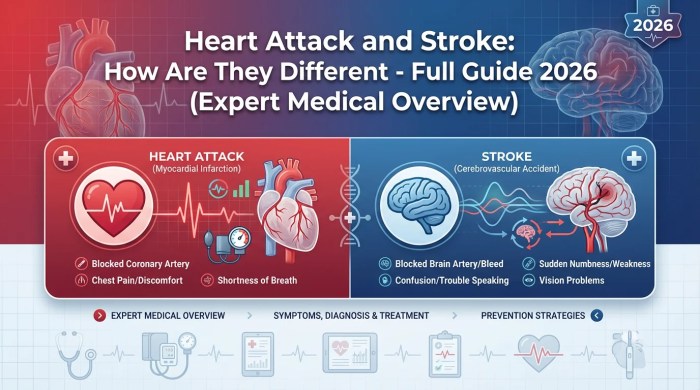
When it comes to the misdiagnosis of strokes or heart attacks, several factors can play a role in the errors made by healthcare providers. These factors can range from time constraints in emergency rooms to the interpretation of medical history, symptoms, and diagnostic tests
Time Constraints in Emergency Rooms
In the fast-paced environment of an emergency room, healthcare providers often face time constraints that can impact the accuracy of their diagnoses. The pressure to quickly assess and treat patients can lead to rushed evaluations, missed symptoms, and ultimately, misdiagnoses.
Additionally, overcrowded emergency rooms may result in delays in obtaining necessary diagnostic tests, further complicating the diagnostic process.
Role of Medical History, Symptoms, and Diagnostic Tests
A patient's medical history, presenting symptoms, and the results of diagnostic tests are crucial factors in determining whether a stroke or heart attack has occurred. However, misinterpretation of this information can lead to misdiagnosis. For example, a patient with atypical symptoms or a complex medical history may be more challenging to diagnose accurately.
Furthermore, errors in performing or analyzing diagnostic tests, such as ECGs or imaging studies, can result in incorrect conclusions about a patient's condition.
Improving Diagnostic Accuracy
Effective strategies are essential for healthcare providers to enhance diagnostic accuracy for strokes and heart attacks. Ongoing training and education for emergency room staff play a crucial role in ensuring timely and accurate diagnosis. Additionally, leveraging technological advancements can significantly aid in the precise identification of strokes and heart attacks.
Ongoing Training and Education
- Regular training sessions focusing on the latest guidelines and protocols for diagnosing strokes and heart attacks.
- Simulation exercises to practice rapid assessment and decision-making in emergency situations.
- Continual education on the evolving symptoms and risk factors associated with strokes and heart attacks.
Technological Advancements
- Implementing advanced imaging techniques such as CT scans and MRIs for accurate visualization of brain and heart structures.
- Utilizing telemedicine for remote consultations with specialists to aid in diagnosis and treatment decisions.
- Integrating artificial intelligence algorithms to analyze complex data and assist in identifying subtle signs of strokes and heart attacks.
Last Recap
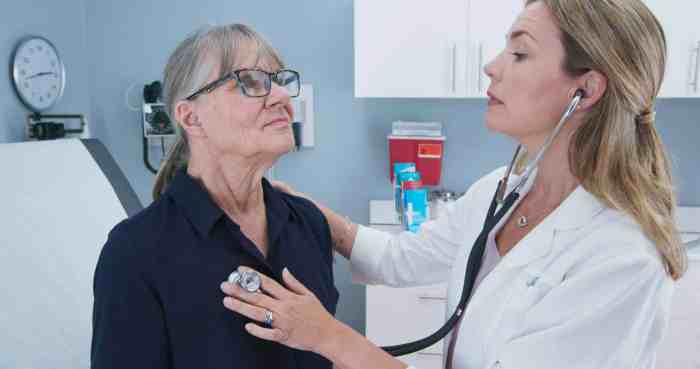
In conclusion, the misdiagnosis of strokes or heart attacks and the subsequent legal implications highlight the critical importance of accurate diagnoses in emergency room settings. By understanding the factors that contribute to misdiagnoses and implementing measures to enhance diagnostic precision, we can strive towards better patient outcomes and healthcare practices.
Frequently Asked Questions
What constitutes a misdiagnosis in the context of a stroke or heart attack?
A misdiagnosis occurs when a healthcare provider inaccurately identifies or fails to recognize a stroke or heart attack, leading to incorrect treatment or lack of timely intervention.
What are the legal grounds for suing due to misdiagnosis of a stroke or heart attack?
Legal grounds for suing include medical negligence, failure to provide a standard level of care, and the resulting harm or damages caused by the misdiagnosis.
How can time constraints in emergency rooms impact accurate diagnoses of strokes or heart attacks?
Time constraints can lead to rushed assessments, inadequate evaluation of symptoms, and errors in diagnostic testing, increasing the risk of misdiagnoses.
What technological advancements can aid in the accurate diagnosis of strokes and heart attacks?
Technological advancements such as advanced imaging techniques, telemedicine for remote consultations, and decision support systems can assist healthcare providers in making more precise diagnoses.